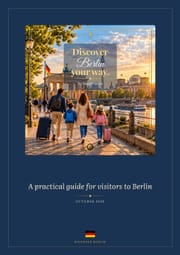
Inside the opening chapter
Berlin is not one tidy old town but a patchwork of village-like neighbourhoods, each with its own streets, markets and habits. Prussian boulevards and neoclassical museums stand a short walk from Cold War remnants, concrete television towers, sunlit lakeshores and courtyards that turn into bars after dark. The city was divided for 28 years, reunited in 1990, and it still feels like a place that is working out what it wants to be next. That openness is exactly why it is such a rewarding place to visit.
History is never far away. The Reichstag, the Brandenburg Gate, the Wall memorials and the Holocaust Memorial are not abstractions here; they are part of everyday geography. Yet Berlin is also a city of ordinary pleasures: a Currywurst at a station stall, a late-afternoon beer by the Spree, a flea market on a Sunday, a long summer evening in a park that used to be an airfield.
Berlin is spread out. Plan each day around one or two districts rather than crossing the city repeatedly, and leave the evening open: some of the best moments here are unplanned.
What's inside the full guide
- Welcome to Berlin
- Berlin at a glance
- Which Berlin is yours?
- When to go and what the weather means
- How long to stay and what to pack
- One day in Berlin
- Two and three days
- Five days and a week
- Rainy-day and winter plan
- Getting to Berlin
- By rail, coach and car
- Getting around Berlin
- Tickets, passes and money-saving
- Accessibility
- The districts for visitors
- Hotels, apartments and hostels
- Districts at a glance
- Creative Berlin
- West, north and beyond
- Brandenburg Gate and the Holocaust Memorial
- The Reichstag and its dome
- Unter den Linden and Gendarmenmarkt
- Museum Island
- Berlin Cathedral, Humboldt Forum and the DDR Museum
- The TV Tower and Alexanderplatz
- Choosing museums well
- Music, opera, theatre and the Berlinale
- Divided Berlin and the Cold War
- Street art, alternative culture and club heritage
- Jewish Berlin and remembrance
- Kids and families
- Parks and green Berlin
- Day trips from Berlin
- Long trips: Dresden, the Spreewald and the Baltic
- What to eat in Berlin
- Döner, street food and Spätis
- Coffee, cake and bakeries
- Beer, Berliner Weisse and other drinks
- Markets and food halls
- Eating well on any budget
- Berlin club culture and door etiquette
- Bars, live music and Kneipen
- Berlin through the year
- Shopping in Berlin
- Souvenirs, Sundays and tax-free shopping
- Money, cards, tipping and Pfand
- Language and useful phrases
- Safety and scams
- Etiquette and local rules
- Health, pharmacies and emergencies
- Staying connected
- Before you go and your first day
Berlin: City bundle — Expat + Travel (€29.90)
Save €9.90 compared to buying separately.
Pair it with the sibling guide
 A New Chapter in Berlin – Expat Guide (58 pages) →
Frequently asked questions
What is included in the free Berlin starter guide?
The free 10-page A4 PDF includes the cover, table of contents, and opening chapters so you can judge the depth and layout before deciding on the full 73-page edition.
Can I read and print the Berlin PDF on any device?
Yes. Every Smart Start guide is formatted as a clean A4 PDF (October 2026 edition) that works offline on phones, tablets, laptops, and home printers with no password required.
Is there a bundle with both the Expat and Travel guides for Berlin?
Yes — the Berlin City Bundle includes both the Expat and Travel full PDFs for €29.90 (saving €9.90 compared to buying them separately).
 Vienna
 Barcelona
 Prague
 Stockholm
 Budapest
 Paris
 Rome
 London
 Sofia